

Scientific and Engineering Research Publication, Academic Writing, Critical Thinking, NotebookLM, and Mind Mapping-A Comprehensive Research Paper on Knowledge Creation, Digital Transformation, and AI-Augmented Research Ecosystems with IAS Research and Keen Computer
Abstract
Scientific and engineering research publications are essential mechanisms for advancing human knowledge, industrial innovation, technological competitiveness, and interdisciplinary collaboration. In the digital era, the convergence of critical thinking, academic writing, systems thinking, artificial intelligence, and knowledge-management technologies is fundamentally reshaping the research ecosystem.
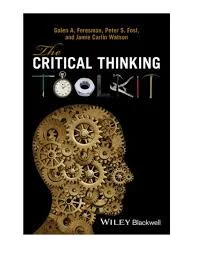
This paper presents a comprehensive examination of scientific and engineering publication methodologies, emphasizing the role of critical thinking, logical reasoning, academic writing, engineering analysis, AI-assisted research systems, NotebookLM, Retrieval-Augmented Generation (RAG), and mind-mapping methodologies. The paper integrates theoretical and practical perspectives derived from The Critical Thinking Toolkit and A Student's Writing Guide.
The study further explores how IAS Research and Keen Computer can support universities, SMEs, startups, engineering firms, and research organizations through AI integration, engineering consulting, cloud infrastructure, technical publication support, AI-powered research systems, web technologies, digital transformation strategies, and knowledge-management platforms.
The paper demonstrates that future scientific competitiveness will increasingly depend on AI-augmented research workflows, interdisciplinary systems thinking, intelligent document analysis, semantic knowledge retrieval, and advanced collaborative digital ecosystems.
1. Introduction
Scientific and engineering research publication is one of the most important mechanisms for:
- Knowledge dissemination
- Innovation transfer
- Academic collaboration
- Technological advancement
- Industrial modernization
- Engineering standardization
- Digital transformation
Research papers enable scientists and engineers to communicate:
- Experimental findings
- Theoretical developments
- Simulation results
- Analytical methodologies
- Engineering designs
- Computational models
- AI system architectures
In the modern digital economy, research publication is no longer restricted to universities and academic journals. It now extends into:
- Industrial R&D laboratories
- AI startups
- Open-source communities
- Engineering consulting firms
- Cloud-based collaborative environments
- Smart manufacturing ecosystems
- Industrial IoT infrastructures
The growing complexity of modern engineering systems requires researchers to combine:
- Technical expertise
- Critical thinking
- Systems engineering
- Computational intelligence
- Academic writing
- Digital collaboration
- AI-assisted research workflows
The authors of The Critical Thinking Toolkit emphasize that critical thinking integrates:
- Logic
- Scientific reasoning
- Rhetoric
- Political and social analysis
- Ethical reasoning
- Interdisciplinary inquiry
Similarly, Gordon Taylor explains that writing is not merely a passive recording mechanism but an active process of constructing understanding and generating knowledge.
This paper argues that the future of scientific and engineering publication will increasingly depend upon:
- AI-enhanced knowledge systems
- NotebookLM-style research environments
- RAG-LLM architectures
- Mind-mapping systems
- Semantic research platforms
- Systems thinking methodologies
- Intelligent engineering collaboration frameworks
2. Scientific Research and Knowledge Creation
Scientific research is a systematic process for:
- Investigating phenomena
- Testing hypotheses
- Developing theories
- Solving engineering problems
- Creating technological innovations
Engineering research differs from purely theoretical research because it combines:
- Scientific theory
- Mathematical modeling
- Experimental validation
- Practical implementation
- System optimization
Research publication transforms experimental and analytical work into:
- Reproducible knowledge
- Shared scientific understanding
- Engineering standards
- Technological innovation
3. Critical Thinking in Scientific and Engineering Research
Critical thinking is fundamental to scientific inquiry because it allows researchers to:
- Evaluate evidence objectively
- Detect flawed reasoning
- Analyze competing hypotheses
- Construct rigorous arguments
- Validate conclusions
- Improve scientific reliability
According to The Critical Thinking Toolkit, arguments are collections of claims designed to support conclusions logically.
3.1 Logic and Scientific Reasoning
Scientific reasoning depends heavily upon logic.
Simple and Complex Claims
The toolkit distinguishes between:
- Simple claims
- Complex claims
- Logical operators
- Truth-functional reasoning
Logical reasoning enables engineers to:
- Design algorithms
- Validate models
- Evaluate hypotheses
- Analyze system behavior
3.2 Deductive and Inductive Reasoning
Deductive Reasoning
Deductive reasoning applies general principles to specific cases.
Example:
- Ohm’s Law
- Kirchhoff’s Laws
- Maxwell’s Equations
Inductive Reasoning
Inductive reasoning derives general conclusions from observations and experiments.
Example:
- Machine learning model training
- Failure pattern analysis
- Predictive maintenance systems
3.3 Systems Thinking and Engineering Analysis
Modern engineering systems are highly interconnected.
Systems thinking allows researchers to analyze:
- Dependencies
- Interactions
- Constraints
- Feedback loops
- Optimization trade-offs
Applications include:
- Smart grids
- Industrial IoT
- Embedded systems
- AI architectures
- Autonomous vehicles
- Renewable energy systems
4. Academic Writing and Research Communication
Academic writing transforms scientific ideas into structured, communicable knowledge.
Gordon Taylor explains that good academic writing balances:
- The writer
- The subject matter
- The reader
- The structure of language
4.1 Characteristics of Scientific Writing
Effective scientific writing requires:
- Clarity
- Precision
- Objectivity
- Logical structure
- Evidence-based conclusions
- Technical consistency
4.2 Writing as a Knowledge-Creation Process
Taylor argues that writing actively creates understanding and meaning.
Writing:
- Reveals gaps in understanding
- Clarifies ideas
- Refines arguments
- Supports critical reflection
This is especially important in:
- Engineering design
- AI research
- Simulation analysis
- Systems architecture development
5. Structure of Scientific and Engineering Research Papers
A high-quality scientific paper generally contains:
Title
The title should:
- Reflect technical content
- Include relevant keywords
- Describe research contribution
Abstract
The abstract summarizes:
- Objectives
- Methods
- Results
- Contributions
Introduction
The introduction defines:
- Background
- Research gap
- Motivation
- Scope
- Objectives
Literature Review
The literature review:
- Evaluates previous work
- Identifies gaps
- Establishes context
Methodology
The methodology explains:
- Experimental design
- Simulation framework
- Data collection methods
- Mathematical models
Results and Discussion
Researchers:
- Present findings
- Interpret data
- Compare results
- Analyze implications
Conclusion
The conclusion:
- Summarizes contributions
- Identifies limitations
- Suggests future work
6. Engineering Research Methodologies
Engineering research combines:
- Theory
- Simulation
- Experimentation
- Computational analysis
6.1 Experimental Engineering Research
Applications include:
- Power electronics testing
- Embedded system validation
- EV battery analysis
- Smart grid simulation
- Industrial sensor evaluation
6.2 Computational Research
Researchers use:
- MATLAB
- Python
- Simulink
- LTspice
- Ngspice
- ANSYS
- AI frameworks
Applications include:
- Finite element analysis
- Neural network training
- Control systems
- Signal processing
6.3 Data-Driven Research
Modern research increasingly depends on:
- Big data analytics
- Machine learning
- Predictive modeling
- AI-assisted diagnostics
Applications include:
- OBD-II diagnostics
- CAN bus analytics
- Industrial telemetry
- Smart manufacturing
7. Artificial Intelligence and Scientific Publication
AI is transforming:
- Literature review
- Research analytics
- Technical writing
- Citation analysis
- Engineering documentation
7.1 Retrieval-Augmented Generation (RAG)
RAG systems combine:
- Vector databases
- Large language models
- Knowledge retrieval
- Semantic search
Applications include:
- Engineering assistants
- AI research agents
- Technical support systems
- Intelligent documentation platforms
7.2 AI-Assisted Literature Review
AI tools help researchers:
- Summarize papers
- Extract concepts
- Identify trends
- Generate comparative analyses
7.3 AI-Powered Engineering Systems
Applications include:
- Autonomous diagnostics
- Industrial AI
- Predictive maintenance
- Engineering copilots
- Smart manufacturing systems
8. NotebookLM and AI-Assisted Research Ecosystems
NotebookLM represents a major evolution in AI-assisted research and knowledge management.
8.1 What is NotebookLM?
NotebookLM enables researchers to:
- Upload documents
- Organize research notes
- Build AI-assisted summaries
- Query technical documents
- Connect ideas across sources
The platform acts as an AI-enhanced research assistant.
8.2 Applications in Engineering Research
NotebookLM can support:
- Technical literature review
- Engineering documentation
- Research note management
- AI-assisted publication workflows
Applications include:
- Electrical engineering
- Embedded systems
- AI research
- Industrial IoT
- Semiconductor design
8.3 NotebookLM and RAG Architectures
NotebookLM demonstrates principles of:
- Semantic retrieval
- Context-aware AI
- Knowledge synthesis
- Vector embedding systems
These technologies are central to future engineering knowledge systems.
9. Mind Mapping and Systems Thinking
Mind mapping is a visual methodology for:
- Organizing ideas
- Structuring research
- Visualizing relationships
- Supporting systems thinking
9.1 Importance of Mind Mapping
Mind maps help researchers:
- Analyze complexity
- Structure arguments
- Organize literature reviews
- Design experiments
- Plan publications
9.2 Engineering Applications
Electrical Engineering
Mind maps support:
- Power system analysis
- Smart grid architectures
- HVDC system modeling
Embedded Systems
Researchers can visualize:
- Hardware-software integration
- Sensor networks
- CAN bus communication
AI Systems
Mind maps assist with:
- Neural network architecture
- RAG workflows
- AI pipeline visualization
9.3 AI-Enhanced Mind Mapping
Future AI-enhanced mind maps will include:
- Automatic concept extraction
- Semantic clustering
- Intelligent knowledge graphs
- AI-assisted reasoning
10. Digital Research Platforms and Knowledge Management
Modern research ecosystems increasingly depend on:
- Cloud computing
- AI systems
- Collaborative platforms
- Semantic databases
- Engineering repositories
10.1 Digital Libraries and Semantic Search
Advanced platforms enable:
- Intelligent document retrieval
- Context-aware search
- Citation analysis
- Technical knowledge management
10.2 Research Collaboration Systems
Future systems will support:
- Real-time collaboration
- AI-assisted brainstorming
- Engineering simulation sharing
- Distributed research teams
11. Applications Across Engineering Domains
Electrical Engineering
Research supports:
- Smart grids
- Renewable integration
- HVDC systems
- Power electronics
Computer Engineering
Applications include:
- AI systems
- Edge computing
- Cloud infrastructure
- Cybersecurity
Industrial IoT
Research contributes to:
- Smart manufacturing
- Predictive maintenance
- Industrial automation
Automotive Engineering
Applications include:
- OBD-II diagnostics
- EV systems
- Autonomous vehicles
- CAN bus analytics
12. Ethical Issues in Scientific Publication
Ethical publication requires:
- Data integrity
- Proper citation
- Honest reporting
- Reproducibility
- Transparency
Engineering ethics are especially important in:
- Safety-critical systems
- Medical technologies
- AI systems
- Power infrastructure
13. Challenges in Scientific and Engineering Writing
Common problems include:
- Weak methodology
- Poor structure
- Unsupported conclusions
- Lack of critical analysis
- Weak literature review
- Ambiguous language
Critical thinking skills help address these challenges.
14. Future Trends in Research Publication
Future scientific ecosystems will increasingly use:
- AI-assisted writing
- Intelligent research agents
- Semantic publishing
- Knowledge graphs
- Autonomous engineering copilots
- Interactive digital publications
15. How IAS Research Can Help
IAS Research can support scientific and engineering organizations through:
Engineering Consulting
- Embedded systems
- AI architectures
- Simulation modeling
- Industrial analytics
AI and RAG Development
- Vector database systems
- Engineering AI assistants
- Technical knowledge platforms
Scientific Writing Support
- Research paper development
- Technical editing
- AI-assisted documentation
Industrial Research Systems
- Smart manufacturing
- Predictive maintenance
- Engineering analytics
16. How Keen Computer Can Help
Keen Computer can help organizations deploy:
Digital Research Platforms
- WordPress systems
- Joomla portals
- Magento ecommerce systems
Cloud and DevOps Infrastructure
- Docker platforms
- Linux infrastructure
- CI/CD systems
AI-Enabled Web Systems
- Research repositories
- AI-powered portals
- Knowledge-management websites
Digital Marketing for Research Organizations
- SEO optimization
- Technical content strategy
- Academic branding
17. Strategic Importance for Universities and SMEs
Universities and SMEs increasingly require:
- AI-assisted research systems
- Digital transformation
- Knowledge-management platforms
- Engineering collaboration ecosystems
Organizations that successfully integrate:
- AI
- Critical thinking
- Digital engineering
- Academic writing
- Systems thinking
will gain significant competitive advantages.
18. Conclusion
Scientific and engineering research publication is no longer simply an academic exercise. It has become a strategic capability central to:
- Innovation
- Digital transformation
- AI adoption
- Industrial competitiveness
- Knowledge creation
Critical thinking provides the intellectual foundation necessary for:
- Scientific reasoning
- Engineering analysis
- Evidence evaluation
- Systems thinking
Academic writing transforms complex ideas into structured, communicable knowledge.
Technologies such as:
- NotebookLM
- RAG-LLM architectures
- AI knowledge systems
- Mind-mapping platforms
- Semantic engineering repositories
are reshaping the future of research and engineering collaboration.
By combining:
- AI-assisted research workflows
- Digital transformation strategies
- Cloud-based engineering systems
- Advanced technical communication
organizations can create intelligent research ecosystems capable of accelerating innovation and scientific discovery.
IAS Research and Keen Computer can play important roles in helping universities, SMEs, startups, and engineering organizations implement these advanced research and digital transformation frameworks for the future knowledge economy.
References
- The Critical Thinking Toolkit, Wiley Publishing.
- A Student's Writing Guide, Cambridge University Press, 2009.
- Critical thinking and interdisciplinary reasoning concepts.
- Academic writing and knowledge creation principles.
- Logic and argument structure discussions.
- Academic writing structure and essay dynamics.